770 261 1353
 020 4524 4226
 +91-9981949678
What Happens When Google Ads Conversion Tracking is Set Up Incorrectly?
Running a Google Ads campaign without accurate conversion tracking is like driving with a broken dashboard. You might still reach your destination, but you won’t know what’s working, what’s wasting money, or where improvements are needed.
Google Ads Conversion Tracking helps businesses measure actions like purchases, contact form submissions, phone calls, and newsletter sign-ups. When it’s configured incorrectly, the data you rely on to make advertising decisions can become misleading.
Let’s look at how improper tracking impacts your campaigns and how you can avoid common mistakes.
Why is Conversion Tracking So Important?
Conversion tracking tells Google which actions matter most to your business.
When tracking works correctly, you can:





Without reliable data, every marketing decision becomes harder to justify.
What Happens When Conversion Tracking is Incorrect?
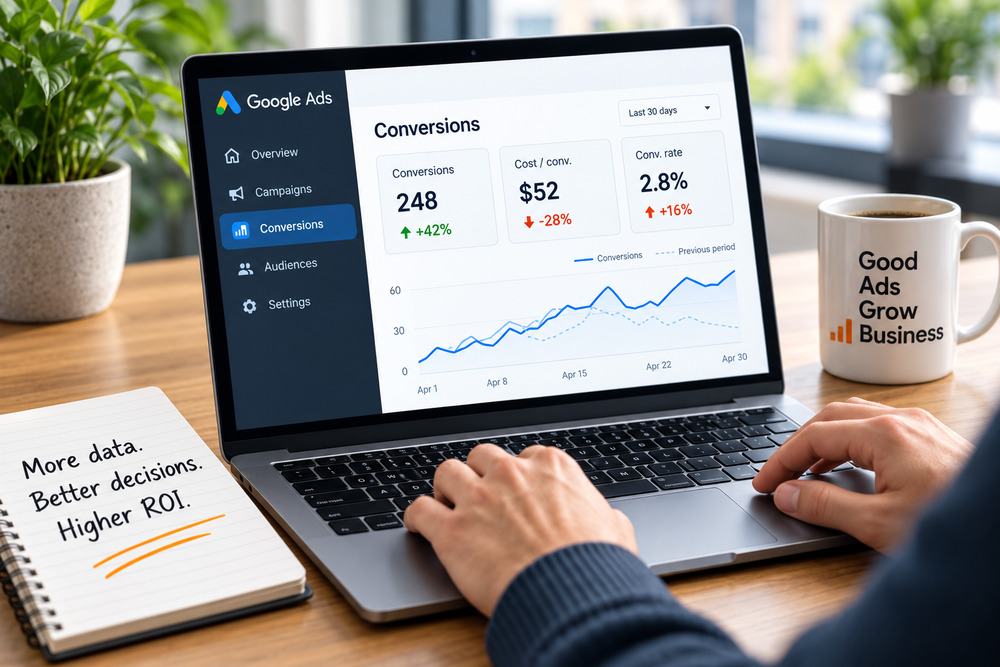
Incorrect tracking doesn’t just create inaccurate reports it can affect the way Google optimizes your campaigns.
Some common consequences include:
If you’re investing in a Google Ads Service, accurate tracking should always be one of the first priorities.
Common Signs Your Tracking May Be Wrong
Many businesses don’t realize there’s a problem until they compare advertising reports with actual sales.
Here are a few warning signs:
1. Conversion Numbers Look Too High
If every page visit appears as a conversion, the tracking tag may be firing on the wrong pages.
For example, a thank-you page trigger may have been placed across the entire website.
2. No Conversions Are Being Recorded
Receiving clicks but reporting zero conversions often indicates:
- Missing tracking tags
- Incorrect event setup
- Broken website code
- Recent website updates affecting tracking
If you’ve recently redesigned your website, it’s also worth reviewing Best Practices for SEO Website Migration, as website changes can unintentionally disrupt analytics and tracking implementations.
3. Duplicate Conversions
Duplicate tracking can record the same customer action multiple times.
This makes campaigns appear more successful than they actually are, causing automated bidding strategies to optimize for inaccurate data.
4. Google Ads and Analytics Don’t Match
Small reporting differences are normal because platforms use different attribution models.
However, large discrepancies may indicate tracking configuration issues.
If you’re unfamiliar with reporting differences, our guide on Google Analytics and Google Analytics 360 Detailed Comparison explains how analytics data can vary across platforms.
How Incorrect Tracking Affects Automated Bidding
Modern Google Ads relies heavily on machine learning.
Strategies like:



Depend entirely on accurate conversion data.
If Google receives incorrect information, it learns from the wrong signals.
As a result, campaigns may start showing ads to less qualified audiences while reducing visibility for users who are more likely to convert.
Does Poor Tracking Affect Return on Investment?
Absolutely.
Imagine two campaigns:
- Campaign A generates 40 real leads.
- Campaign B generates 15 real leads.
If conversion tracking incorrectly reports 50 leads for Campaign B, you might increase its budget while reducing spend on the campaign that’s actually performing better.
Over time, inaccurate data can significantly reduce advertising efficiency.
Businesses investing in PPC Service should regularly audit conversion tracking to ensure every optimization decision is based on reliable information.
Can Website Changes Break Conversion Tracking?
Yes.
Tracking issues commonly appear after:






This is one reason technical website maintenance is so important. If you’re planning website improvements, How to Create a SEO-Friendly WordPress Website explains why technical setup should always be reviewed alongside design updates.
How Can You Check If Tracking is Working?
You don’t always need advanced technical knowledge to spot potential problems.
Regularly review:






Conducting routine testing helps identify problems before they affect campaign performance.
Should Businesses Audit Conversion Tracking Regularly?
Yes.
Conversion tracking isn’t something you configure once and forget.
Changes to your website, marketing platforms, privacy settings, or customer journey can all affect how conversions are recorded.
Businesses using PPC & Google Adwords Services should review tracking periodically to maintain accurate reporting and improve campaign performance.
Frequently Asked Questions
Yes. If Google receives inaccurate conversion data, campaign optimization may prioritize the wrong keywords, audiences, or bidding strategies.
Not every recorded conversion becomes a sale. Attribution models, customer behavior, and tracking configuration can all create reporting differences.
Many businesses use Google Tag Manager because it makes tracking implementation and future updates easier to manage, although proper configuration remains essential.
It’s a good practice to review tracking after website updates, major campaign changes, or whenever reporting appears inconsistent.
Conclusion
Accurate conversion tracking is the foundation of successful Google Ads campaigns. Without reliable data, it’s difficult to understand which ads generate leads, where your budget is delivering value, or how to improve future performance. Regular audits, testing, and proper implementation help ensure every marketing decision is based on trustworthy insights rather than assumptions.
If you want greater confidence in your advertising performance, working with an experienced team that specializes in Google Ads Service can help ensure your conversion tracking is configured correctly and your campaigns are optimized for measurable business growth.